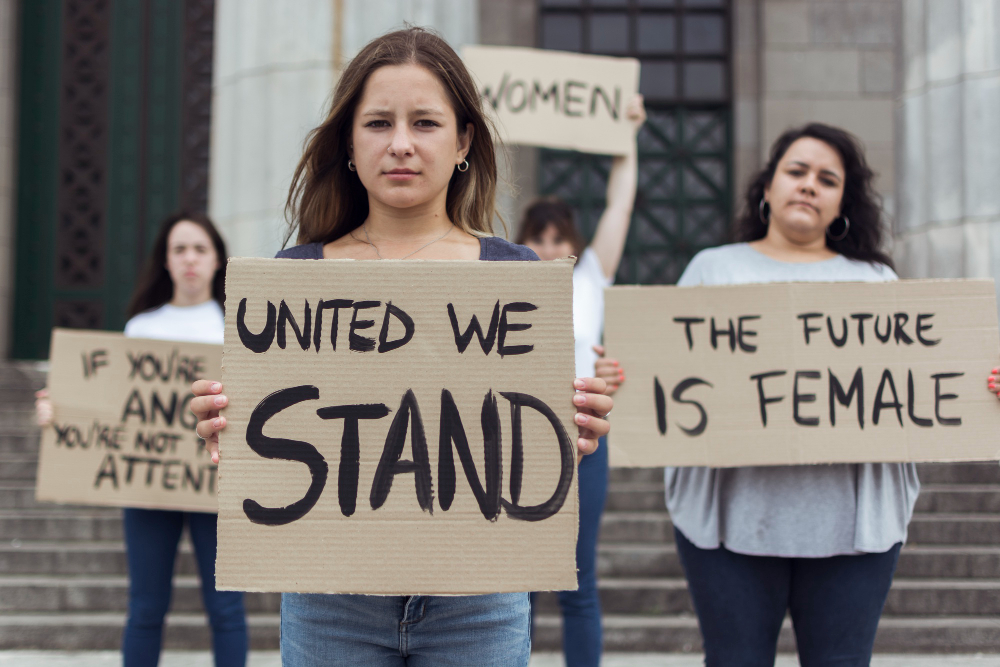
Women Against State Pension Inequality (WASPI) represents hundreds of thousands of women who say they were unfairly affected by changes to the UK state pension age. Many of them were born in the 1950s and had expected to retire at 60, only to find the pension age for women increasing to bring it into line with men’s. The core of their complaint is not the equalisation itself, but the way the changes were communicated, which they argue left too many women with too little time to prepare.
Over the past decade, WASPI campaigners have argued that millions faced sudden financial hardship after discovering they would have to wait years longer for their state pension than they had planned. Some say they were given just a few years’ notice of a major shift in retirement age, making it difficult to adjust savings, employment plans or caring responsibilities. Many have shared stories of struggling to bridge the gap, taking on extra work, using up savings or relying on benefits to make ends meet.
The group has pursued multiple routes to seek redress, including legal challenges and complaints to the Parliamentary and Health Service Ombudsman (PHSO). While the Ombudsman has previously found failings in how the Department for Work and Pensions (DWP) communicated the changes, hopes of substantial compensation have repeatedly been dashed. A ruling in early 2026 again disappointed campaigners, with no automatic large‑scale payout recommended, affecting up to 3.6 million women born in the 1950s.
Despite setbacks, the WASPI movement remains active and vocal. The campaign’s official site urges supporters to write to MPs, highlighting that the Parliamentary Ombudsman backs their case for some form of remedy and that opinion polls show strong public support for compensation. Local groups continue to organise meetings, petitions and demonstrations, arguing that Parliament still has the power to create a fair solution, even if legal avenues have proved limited.
At the heart of the debate is a question of fairness and trust in government communication. Campaigners say they are not asking for the pension age to revert to 60 but for recognition that many women did not receive timely, clear information about life‑changing policy shifts. They argue that if citizens are to plan responsibly for retirement, they must be able to rely on government departments to provide accurate, early notice of major changes.
Critics of large‑scale compensation packages point to the potential cost to the public finances and the difficulty of designing a scheme that is both fair and affordable. They note that some women in the affected cohorts may be relatively well‑off, while others are in severe hardship, and any remedy would have to strike a balance between simplicity and targeting support where it is most needed. This tension has helped create the political deadlock that WASPI supporters are trying to break.
For women who feel they have lost out, there are still practical steps they can take. WASPI encourages affected individuals to stay engaged with the campaign, keep records of correspondence, and seek independent advice about benefits, work and private pensions to manage the gap before state pension entitlement. With the issue back on the political agenda following the latest ruling, pressure is likely to grow on MPs to address the legacy of these changes and decide whether 1950s‑born women will receive any form of compensation at all.