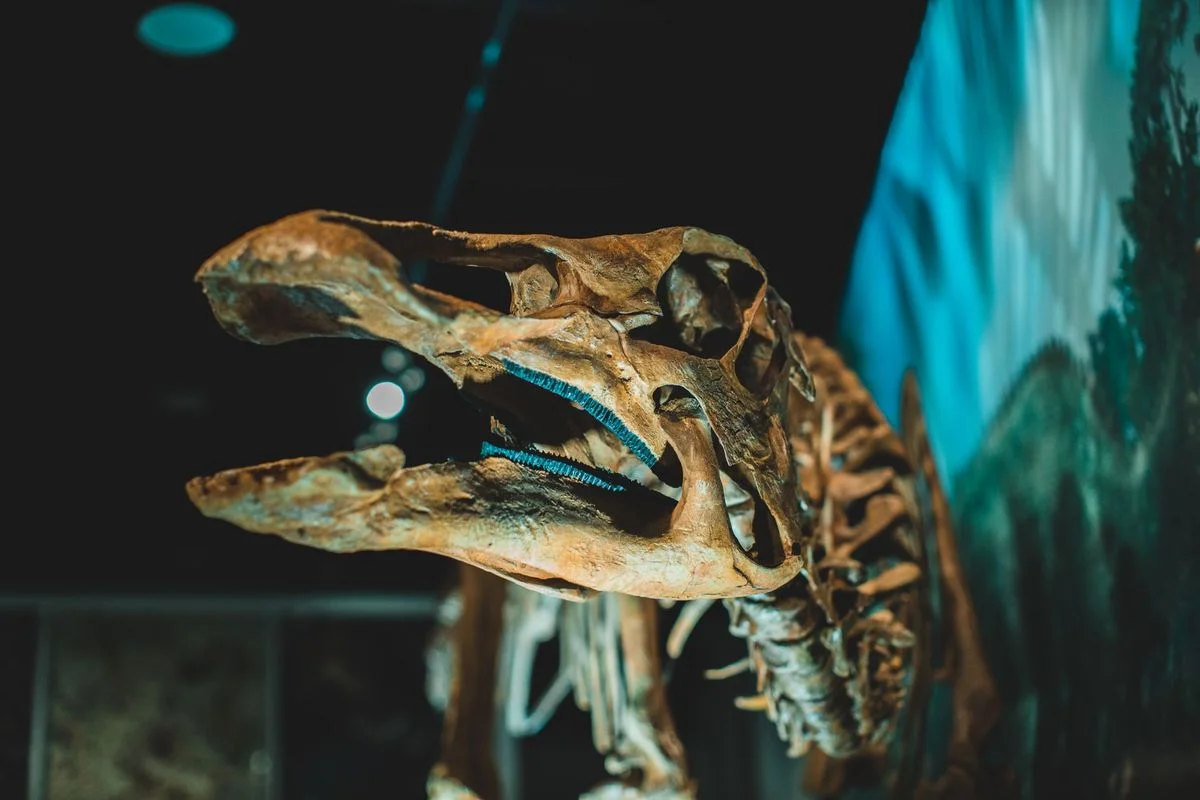
The sale of a Tyrannosaurus Rex skeleton for a record-breaking sum has become a significant talking point, particularly among the scientific community. The multimillion-dollar sale marks the T. rex as the most expensive dinosaur ever sold, according to the BBC. This event, conducted by Sotheby’s in New York, has prompted discussions about the implications for paleontological research and public access to such significant specimens.
Background
The market for dinosaur skeletons has seen a notable increase in recent years, with these ancient relics fetching millions at auction. This trend has been documented by the Financial Times, which raises questions about what collectors truly understand they are buying when acquiring these unique specimens. While such sales attract considerable public interest, they also bring to the forefront the challenges faced by scientists.
Scientific Concerns
The Guardian highlights that the sale of multimillion-dollar T. rex skeletons presents a “big headache for scientists.” The primary concern stems from the potential for these fossils to disappear into private collections, limiting their accessibility for study. Paleontologists rely on the thorough examination and documentation of specimens to advance understanding of prehistoric life. When fossils are sold privately, they may not be prepared to scientific standards, nor made available for peer review or exhibition in public institutions. This concern has been a recurring theme in discussions around large fossil sales, as previously explored in our article, “T. rex Fossil Auction Sparks Alarm Among Scientists.” The move of such significant finds from public domain or research institutions to private hands can impede long-term scientific research and education.
The Auction Landscape
Sotheby’s in New York facilitated the recent record-breaking sale. The increasing value of dinosaur fossils on the open market underscores a broader trend in high-value collecting. The BBC reported the Tyrannosaurus Rex as the “most expensive dinosaur ever sold,” reflecting the intense demand. This trend creates a competitive environment where private buyers, sometimes with greater financial resources, can outbid museums and research institutions. The Financial Times delves into the complexities, asking, “Dinosaurs are selling for millions. Do collectors know what they’re buying?” This question encompasses not only the authenticity and provenance of the fossils but also the ethical considerations of their ownership and stewardship.
FAQ
- Q: Why are scientists concerned about private fossil sales?
A: Scientists are concerned because private sales can make important fossils inaccessible for research and public display. This limits the ability to study specimens thoroughly and share knowledge. - Q: Which auction house was involved in the recent T. rex sale?
A: The recent record-breaking Tyrannosaurus Rex sale was conducted by Sotheby’s in New York. - Q: What makes this T. rex sale significant?
A: According to the BBC, this Tyrannosaurus Rex became the most expensive dinosaur ever sold, fetching a multimillion-dollar sum. - Q: What questions are being raised about these high-value sales?
A: The Financial Times raises questions about whether collectors truly understand what they are buying, touching on aspects of authenticity, scientific value, and ethical implications.
What this means for you
For readers in Leeds and across Yorkshire, as well as the wider UK, the rising trend of private fossil sales has implications for how we engage with natural history. While major fossil discoveries often generate excitement, their sale to private collectors means that these potentially invaluable scientific assets might never be seen in public museums, including those in our region or national institutions. This can limit educational opportunities and public access to incredible pieces of Earth’s history. It also underscores the global market dynamics that impact even the most ancient relics. The debate surrounding these auctions highlights the ongoing tension between commercial interests and the advancement of scientific knowledge for the benefit of all. Understanding these developments helps us appreciate the challenges faced by institutions trying to preserve our natural heritage for future generations.