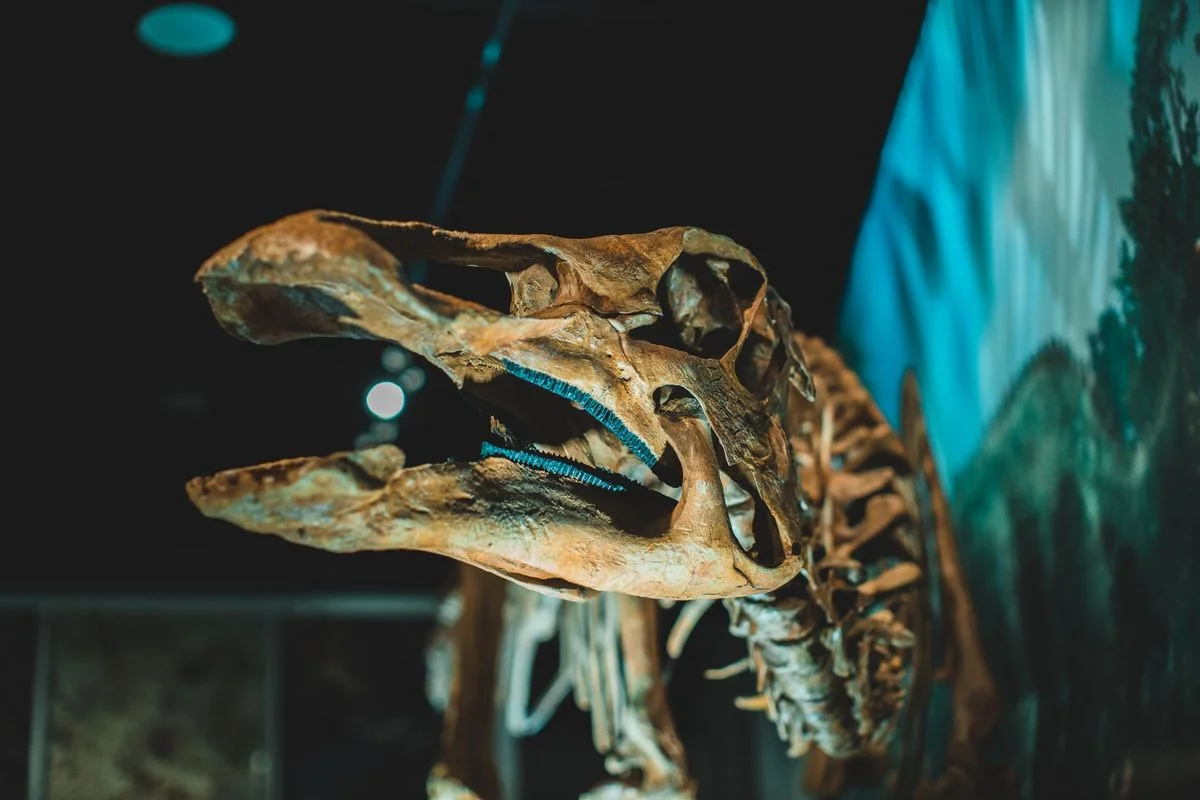
A Tyrannosaurus rex fossil is reportedly set to be sold at auction for an estimated $30 million, a sum that could establish it as the most expensive fossil ever sold. This impending sale has, however, triggered significant alarm among the global scientific community, with experts raising concerns about the implications for research and public access to such invaluable specimens.
Reports from sources including Українські Національні Новини (УНН) indicate the substantial sum anticipated for the Tyrannosaurus, while the BBC highlights that the sale could set a new record, posing a considerable “problem for scientists” should it proceed to a private collector.
Background
Fossils of the Tyrannosaurus rex are among the most celebrated and scientifically significant discoveries, offering unparalleled insights into prehistoric life and the Earth’s ancient ecosystems. Each new find contributes immensely to palaeontological research, helping scientists piece together the mysteries of evolution, behaviour, and extinction events. Historically, major fossil finds often enter public collections, allowing for broad academic study and public display, thus serving as educational tools for current and future generations.
However, the increasing value of these rare specimens on the open market has introduced a new dynamic. The Observer has previously commented on the phenomenon of wealthy individuals acquiring their “very own dinosaur”, referring to it as a “Jurassic perk of being super-rich”. This trend poses a direct challenge to the traditional path of scientific specimens being housed in publicly accessible institutions.
The Auction and Potential Record Price
The Tyrannosaurus rex fossil, which is reportedly heading to auction, carries an estimated price tag of $30 million. Should the sale reach this figure, it would, according to the BBC, elevate the fossil to the status of the “most expensive fossil ever” sold. This valuation underscores the immense desirability and rarity of complete or near-complete T. rex skeletons.
The prospect of a private sale at such a substantial price point raises questions about the future accessibility of the fossil. While the allure of owning such a unique piece of natural history is undeniable for the “super-rich”, as noted by The Observer, the scientific community often argues for the paramount importance of such items remaining in the public domain for ongoing study and education.
Scientists’ Growing Concerns
The potential auction of this T. rex fossil has led to a chorus of disapproval from scientists worldwide. The core of their concern, described by the BBC as a “problem for scientists”, revolves around the potential loss of access to an invaluable research specimen. When significant fossils are acquired by private collectors, they are often removed from the public sphere, making them inaccessible for detailed academic study, comparative analysis, and long-term preservation within museum environments.
УНН reports that scientists are “raising the alarm” specifically due to the impending auction. Their apprehension stems from the fear that private ownership could lead to the fossil being housed away from research facilities, potentially limiting our collective understanding of this iconic dinosaur. Furthermore, experts worry that such high-profile sales set a precedent, driving up prices for future fossil discoveries and making it increasingly difficult for museums and public institutions to compete with private wealth, ultimately hindering scientific progress and public engagement with natural history.
Frequently Asked Questions
- Q: What is the fossil being auctioned?
A: It is a Tyrannosaurus rex fossil. - Q: What is the estimated value of the T. rex fossil at auction?
A: The Tyrannosaurus rex fossil may be sold at auction for an estimated $30 million, according to УНН. - Q: Why are scientists concerned about this auction?
A: Scientists are raising the alarm because the sale of such a significant fossil to a private buyer poses a “problem for scientists”, potentially impacting research and public access to important scientific specimens, as reported by the BBC and УНН. - Q: Could this be a record-breaking sale?
A: Yes, if sold for the estimated price, this T. rex fossil could become the most expensive fossil ever, according to the BBC.
What this means for you
For Leeds and Yorkshire readers, as well as a general UK news audience, the sale of a significant T. rex fossil might seem like a distant event. However, it touches upon broader principles concerning the preservation of global scientific heritage and the accessibility of knowledge. When a major scientific find like a Tyrannosaurus rex fossil enters private hands, it has implications for public institutions, such as museums in Leeds, Yorkshire, and across the UK, that strive to educate and inspire through exhibits of natural history.
The scientific alarm raised by experts highlights the ongoing tension between commercial interests and the public good. The collective understanding of our planet’s past, and the educational opportunities derived from such discoveries, are potentially diminished if these irreplaceable artefacts become unavailable for public display or scholarly research. Ultimately, the outcome of such auctions impacts the global pool of scientific knowledge and the ability of everyone, from schoolchildren in Leeds to researchers in London, to engage with and learn from the wonders of the natural world.