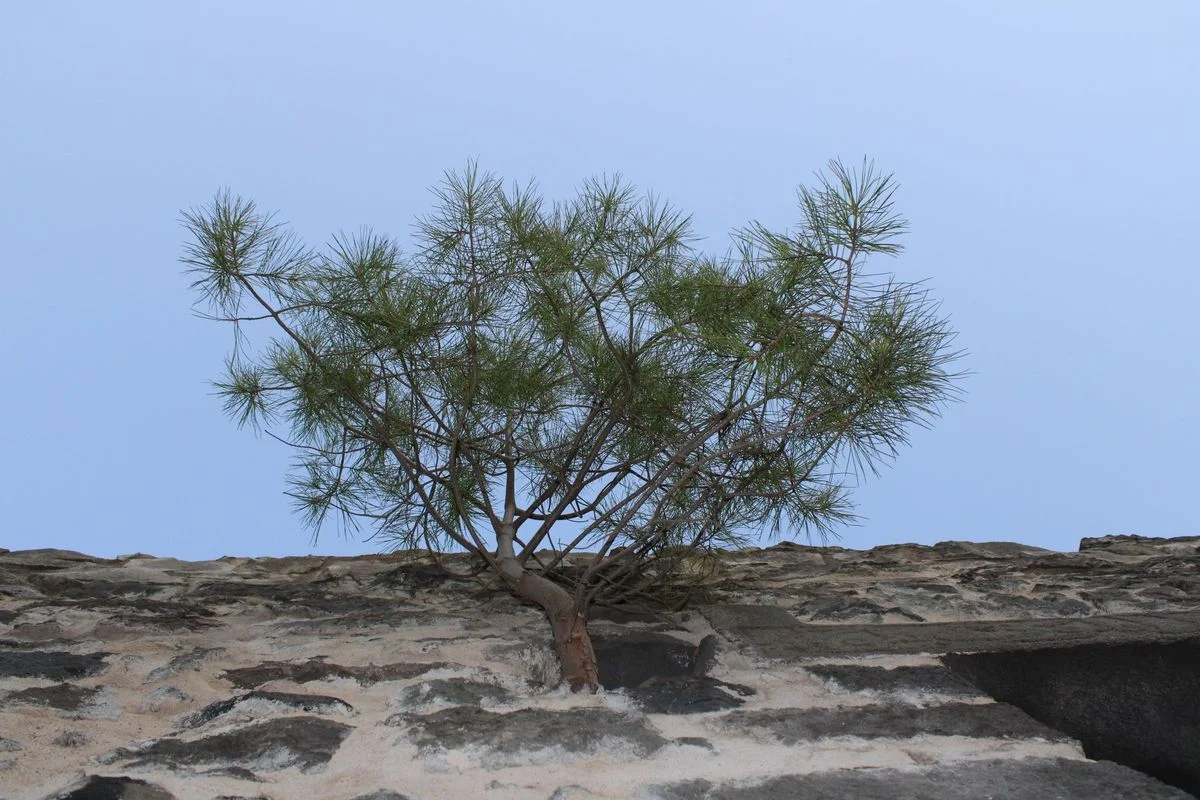
A Sycamore Gap sapling has been reported stolen from the grounds of Wray Castle, a National Trust property. The theft, which has garnered attention from national news outlets including the BBC, The Telegraph, and The Independent, occurred approximately two months after the sapling was planted.
According to the BBC, the Sycamore Gap sapling was taken from “castle grounds” (Source: BBC). Further details provided by The Independent specify the location as a “National Trust castle”, with its URL explicitly mentioning “Wray Castle” (Source: The Independent). The Telegraph highlighted the timeframe of the incident, reporting that the theft took place “two months after planting” (Source: The Telegraph).
Background
The theft of the Sycamore Gap sapling from Wray Castle marks a notable incident concerning a natural asset. While initial reports do not detail the sapling’s specific significance, its designation as a “Sycamore Gap sapling” suggests a connection to a recognised natural landmark. Wray Castle, the location of the theft, is a property managed by the National Trust.
As a National Trust site, Wray Castle is part of an organisation dedicated to the protection of historic places and green spaces. The presence of a newly planted sapling in its grounds aligns with the National Trust’s broader efforts concerning land management and preservation.
The Theft and Its Timeline
Reports confirm the disappearance of the Sycamore Gap sapling from the castle grounds. The timing of the theft, as noted by The Telegraph, is particularly pertinent: it occurred just “two months after planting”. This brief window highlights the vulnerability of newly planted saplings, even within managed properties such as those run by the National Trust.
The theft from a National Trust castle suggests a potential breach of security protocols or a targeted act. The BBC’s initial report of the sapling being stolen from “castle grounds” was later elaborated upon by The Independent, which identified the site as a “National Trust castle” and, through its URL, specified it as Wray Castle. The involvement of multiple national news organisations in reporting this incident underscores its public interest.
Investigation and Impact
As the news of the theft emerged, it would typically prompt an investigation into the disappearance of the sapling. While the source material does not provide details on specific police involvement or the progress of any inquiry, the nature of the theft from a protected site often leads to such actions. The loss of the sapling, particularly one designated “Sycamore Gap”, may elicit public interest, given the general regard for natural landmarks within the UK.
The incident also raises questions about the safeguarding of saplings and newly planted trees, especially those which may hold environmental or cultural importance. The fact that the sapling was relatively new, having been planted only two months prior to its theft, underscores the fragility of such young plants and the potential challenges in their establishment.
Frequently Asked Questions
-
Q: What exactly was stolen?
A: A Sycamore Gap sapling, sometimes referred to as a Sycamore Gap tree sapling, was reported stolen.
-
Q: Where did the theft occur?
A: The sapling was stolen from the grounds of Wray Castle, which is a National Trust property.
-
Q: When did the theft happen in relation to its planting?
A: The theft took place approximately two months after the sapling had been planted.
-
Q: Which news outlets reported on this incident?
A: The BBC, The Telegraph, and The Independent have all reported on the theft of the sapling.
What this means for you
For readers in Leeds, across Yorkshire, and the wider UK audience, the theft of a Sycamore Gap sapling from National Trust Wray Castle grounds represents more than just the disappearance of a plant. It highlights the vulnerability of both natural and heritage assets, even those under the care of organisations like the National Trust. While the specific background or context of this particular “Sycamore Gap” sapling is not detailed in initial reports, the incident serves as a reminder of the value placed on such natural elements within our landscapes.
The event may prompt discussions about security measures at public and heritage sites, and the broader implications of such acts of theft on local communities and environmental initiatives. For those who visit or support National Trust properties, this incident underscores the ongoing need for vigilance and community engagement in protecting cherished locations and their natural features. The swift reporting by major news outlets indicates the public interest in such matters, reflecting a collective concern for the preservation of significant natural and historical sites across the country.