The Royal National Lifeboat Institution has issued repeated safety warnings about powerful and unpredictable waves along the UK coastline. These warnings are not issued lightly. Each year, sudden waves, surges and changing sea conditions contribute to serious injuries, rescues and tragic loss of life. Understanding why the RNLI highlights wave danger and how the public should respond is essential for anyone visiting beaches, coastal paths or harbours.
The RNLI monitors coastal incidents across the UK and Ireland, giving it a clear picture of the most common causes of emergencies at sea. Large and unexpected waves are consistently among the biggest risks, particularly during storms, high winds and periods of rough swell. Even on days that appear calm, wave patterns can change quickly, catching walkers, anglers and sightseers off guard.
RNLI warnings aim to raise awareness before accidents happen. By highlighting wave danger early, the charity hopes to prevent people from getting too close to exposed edges or being swept into the sea.
Dangerous waves are not always obvious. Large swells can travel thousands of miles across open ocean and suddenly impact the coast with significant force. These waves can surge over rocks, sea walls and harbour entrances without warning. Known as rogue or swell waves, they often arrive after a period of calmer water, leading people to believe it is safe to approach the edge.
Weather systems also play a major role. Strong winds, low pressure and changing tides can combine to create powerful wave action. During storms, waves can break far higher than usual, flooding coastal paths and promenades.
RNLI data shows that walkers on coastal paths, people fishing from rocks and families visiting scenic viewpoints are particularly vulnerable. Many incidents involve people who are not entering the water intentionally. Instead, they are knocked over by waves or pulled in by sudden surges while standing too close to the edge.
Photographers and sightseers are also at risk, especially during dramatic weather when waves appear visually impressive. The desire to get closer for a better view or photo can lead to dangerous misjudgements.
One of the biggest risks associated with being swept into the sea is cold water shock. Even in summer, UK sea temperatures are low enough to trigger an involuntary gasp, rapid breathing and loss of muscle control. This can make it extremely difficult to swim or stay afloat in the crucial first moments.
The RNLI emphasises that cold water shock can affect even strong swimmers. Combined with powerful waves and currents, it significantly increases the risk of drowning.
The RNLI provides clear and practical advice to help people stay safe near the sea. One of the key messages is to keep well back from the edge, particularly on cliffs, rocks and harbour walls. Wet surfaces indicate that waves are reaching higher than they may appear from a distance.
Another important recommendation is to always check weather and sea conditions before visiting the coast. Swell forecasts, wind warnings and tide times can offer valuable insight into potential risks. Heeding local signage and advice from lifeguards is also critical, as these warnings are based on real-time conditions.
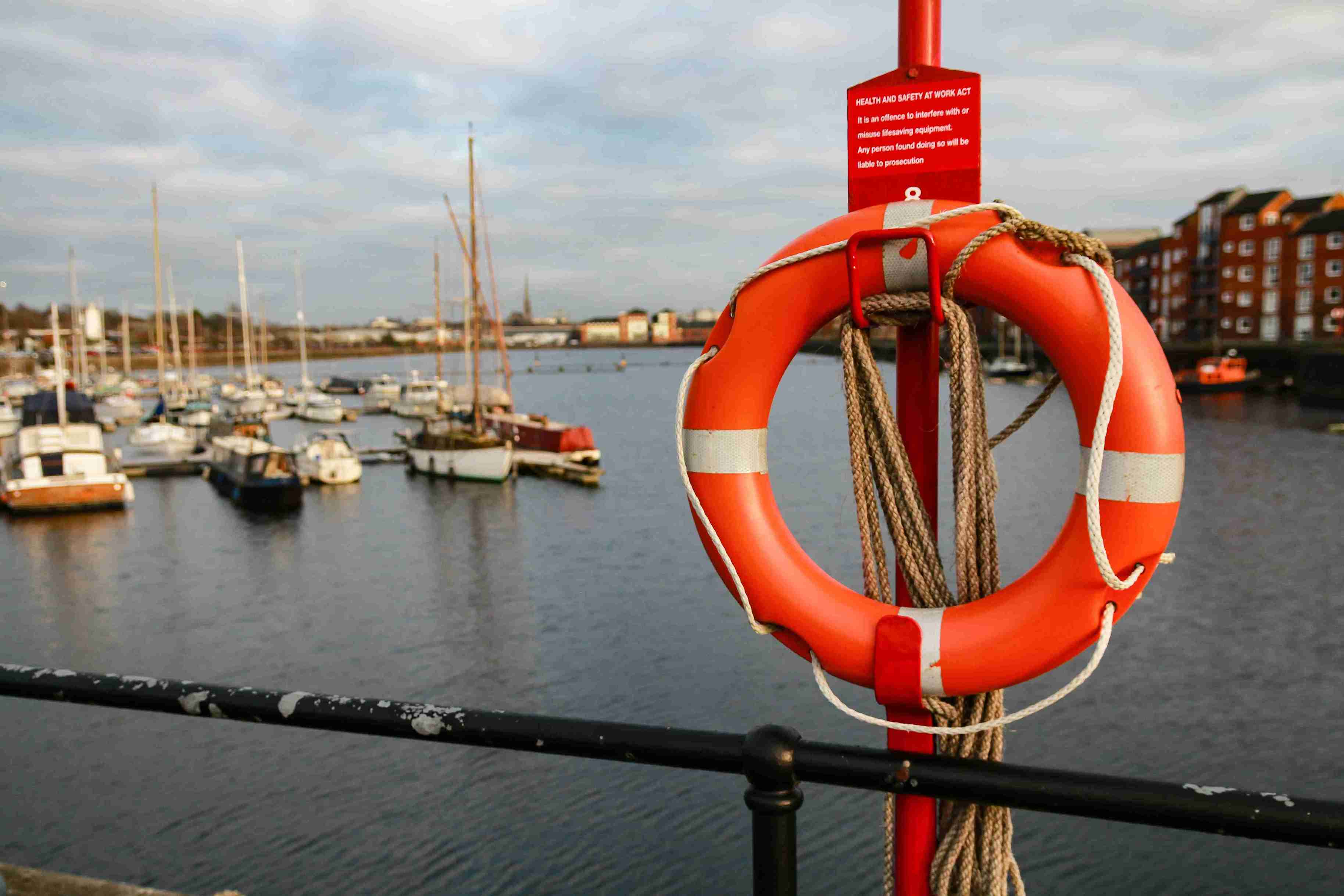
If someone is swept into the water by waves, the RNLI advises calling 999 or 112 immediately and asking for the Coastguard. Quick action can make a life-saving difference. Throwing something that floats, such as a bag, bottle or life ring, can help the person stay afloat without putting others at risk.
The RNLI strongly warns against entering the water to attempt a rescue unless you are trained and equipped to do so. Many secondary drownings occur when well-meaning bystanders try to help without proper safety measures.
Wave-related incidents are not limited to winter storms. Spring and autumn often bring strong swells, while summer sees increased footfall along the coast, raising the likelihood of accidents. Bank holidays and school holidays are particularly busy periods, prompting the RNLI to increase public safety messaging.
Social media and local news play a growing role in spreading RNLI safety warnings. By sharing alerts widely, the charity aims to reach both residents and visitors who may be unfamiliar with coastal hazards.
Education is central to the RNLI’s mission. Through school programmes, community events and online resources, the organisation teaches people how to recognise danger signs and respond safely. Understanding wave behaviour, tide movements and basic emergency actions empowers individuals to make better decisions near the sea.
The RNLI also works closely with local councils and tourism bodies to ensure safety information is visible at popular coastal locations.
Every RNLI safety warning is informed by real incidents and rescue data. Ignoring advice about wave danger can have devastating consequences, not only for those directly involved but also for the volunteer lifeboat crews who risk their lives during rescues. Respecting the power of the sea is a responsibility shared by everyone who enjoys the coast.