Who’d have guessed a reality series might pull younger viewers toward real-time broadcasts? Still, that’s just what The Celebrity Traitors pulled off – changing doubters into die-hard fans while smashing audience numbers nationwide. Here’s why: it turned watching shows into something people do together.
While most under-25s spend hours scrolling TikTok or watching YouTube clips, this program somehow drew over 11 million people. What’s wilder? More than half from ages 16 to 24 either watched it live or streamed it after on iPlayer. A solid boost for the BBC, especially since they’ve had trouble reaching younger crowds lately.
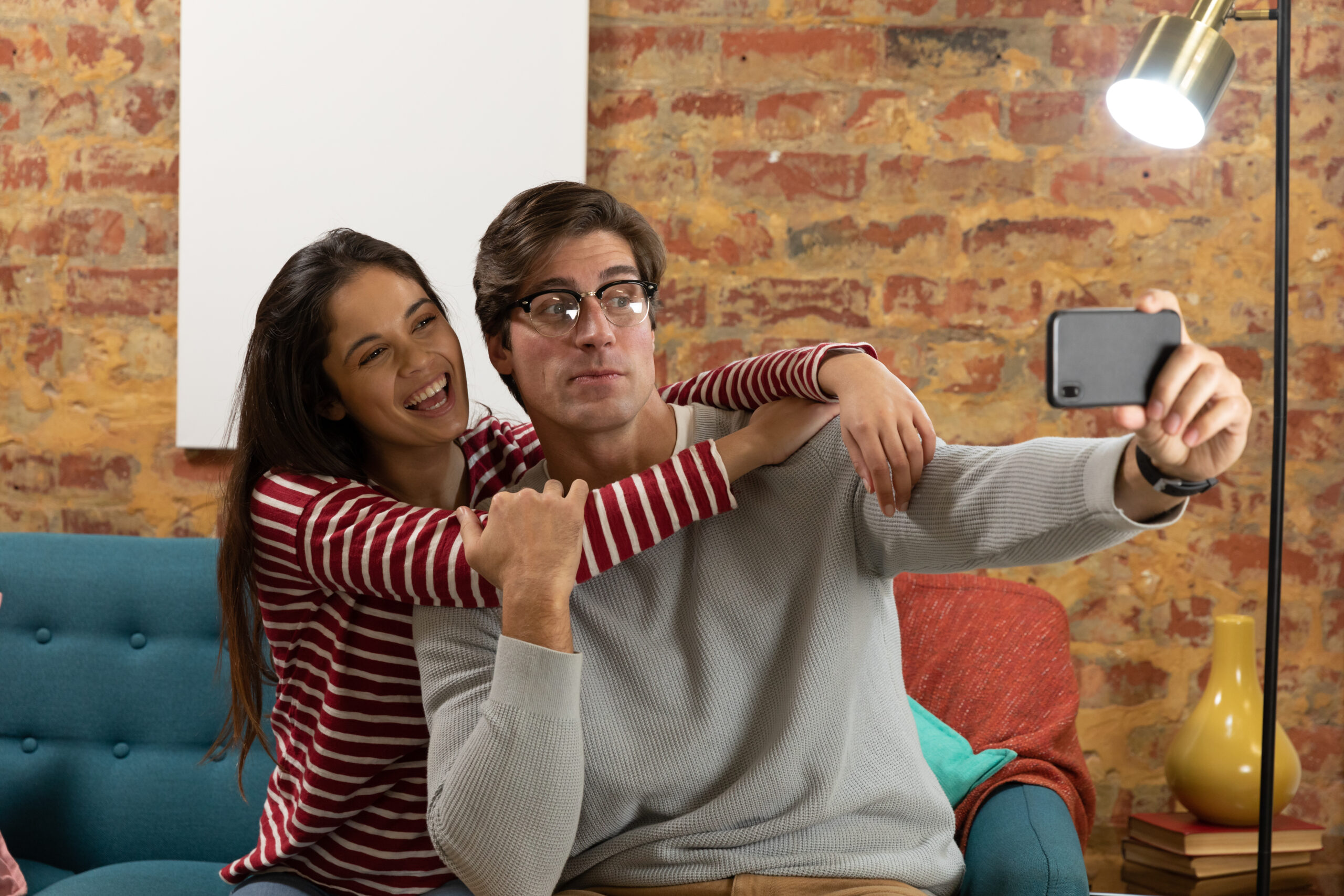
Here’s what actually clicked. Luck had nothing to do with it. This series mixed broadcast energy with online culture like no other. Fans didn’t only chuckle – they shared jokes, built viral clips, then remade scenes themselves on short-form apps. Creators got one thing early: young audiences don’t sit back during episodes – they jump into them.
Niko Omilana, a down-to-earth vlogger, created quick rapport through everyday moments.
The crowd made countless videos, responses, or spooky costumes.
Teaming up with TikTok made each episode something people passed around online.
A blend of excitement with social connection made The Celebrity Traitors catch fire online – exactly the type that spreads quick, sticks around awhile.
TV’s still here, just changing shape. Mix it with online life, things get real strong. Fans felt like they owned the plot – so they stuck around, talked it up.
In a nutshell, the actual key had nothing to do with scores or ads. Instead, it came down to bonding. Rather than simply coming back to TV, Gen Z reshaped it into their own space.