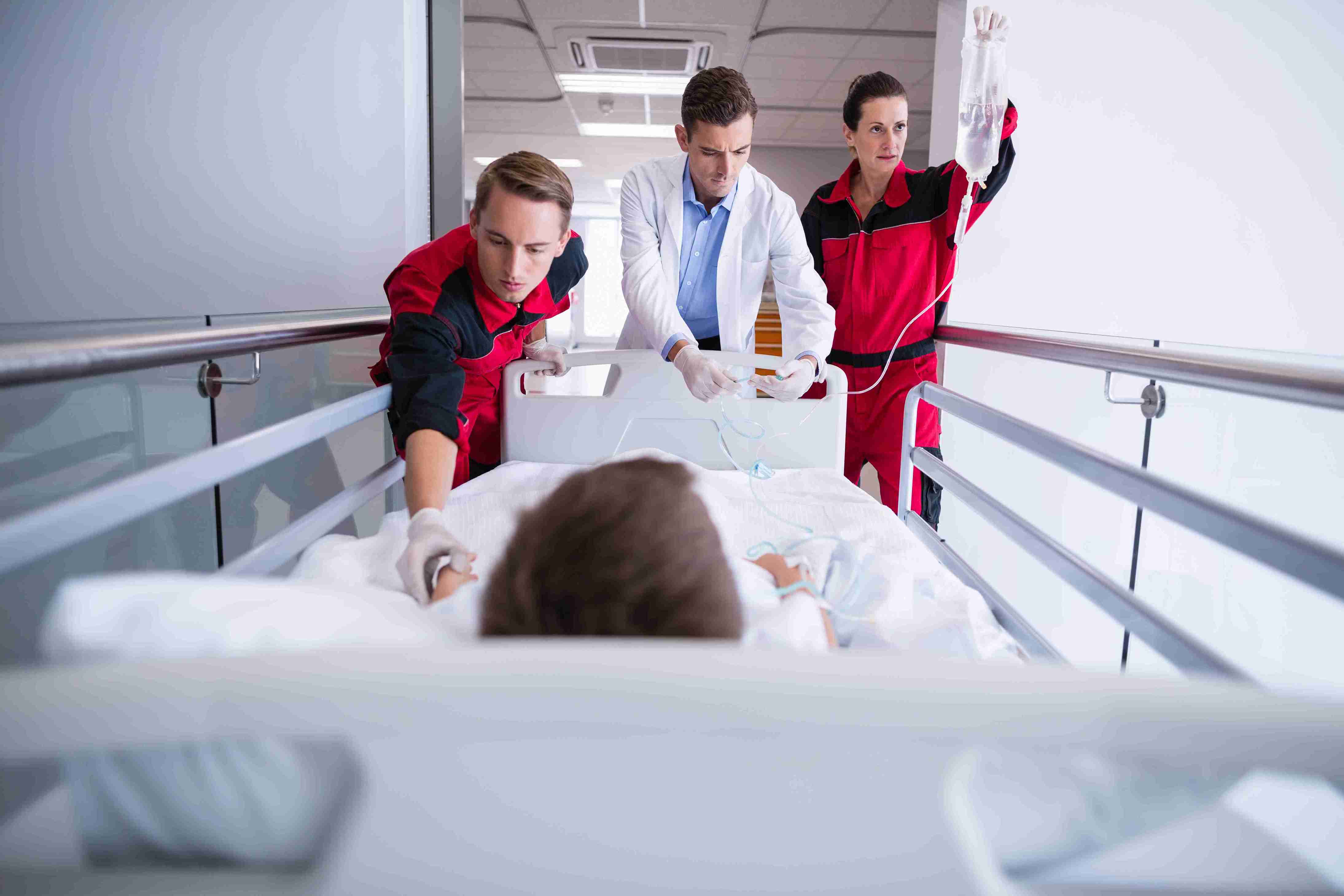
An NHS hospital critical incident is one of the most serious alerts that can be declared within the UK healthcare system. When a hospital announces a critical incident, it signals that normal services are under extreme pressure and patient safety may be at risk without urgent intervention. These incidents have become increasingly visible in recent years, raising public concern and highlighting the strain facing the National Health Service.
Understanding what an NHS hospital critical incident means, why it is declared, and how it affects patients and staff is essential for anyone navigating the healthcare system. While the term can sound alarming, it follows a structured process designed to protect lives and manage overwhelming demand.
A critical incident is declared when an NHS hospital or trust can no longer deliver safe care within its available resources. This does not mean the hospital is closing, but it does indicate that services are under severe strain. The declaration allows hospitals to trigger emergency protocols and seek external support.
Critical incidents are usually declared at trust level rather than nationally, although multiple trusts can declare incidents simultaneously during periods of widespread pressure. The decision is made by senior clinical and operational leaders based on patient demand, staffing levels, bed capacity, and system resilience.
NHS hospitals declare critical incidents for a variety of reasons, most commonly during winter months when demand peaks. High levels of emergency admissions, outbreaks of infectious diseases, and reduced staffing can combine to create unsafe conditions.
Staff shortages are a major factor, often caused by sickness, burnout, or industrial action. Bed shortages, particularly when patients cannot be discharged due to lack of social care support, also play a significant role. In some cases, critical incidents are triggered by unexpected events such as IT failures, power outages, or major accidents causing a sudden influx of patients.
Winter is traditionally the most challenging period for the NHS. Cold weather increases respiratory illnesses, flu, and complications for vulnerable patients. Emergency departments often see sharp rises in attendance, while hospital beds remain full for longer periods.
During winter pressure, critical incidents may be declared to manage overcrowding and prevent patient harm. These incidents highlight systemic challenges, including limited capacity and delayed patient flow, which are intensified during seasonal surges.
Once a critical incident is declared, hospitals activate escalation plans designed to stabilise services. These plans prioritise patient safety and focus resources on urgent and emergency care. Non-essential services, such as routine outpatient appointments or elective procedures, may be postponed.
Hospitals also coordinate with regional NHS partners, including ambulance services and neighbouring trusts. Additional staff may be redeployed, senior leaders become directly involved in operational decisions, and real-time monitoring of patient flow is intensified.
For patients, a critical incident can mean longer waiting times, delayed treatments, and reduced access to non-urgent services. Emergency care remains available, but hospitals may advise the public to use alternative services such as NHS 111, pharmacies, or GP practices where appropriate.
While the term “critical incident” can cause anxiety, it is important to understand that it is a safety mechanism rather than a sign of immediate collapse. Hospitals continue to treat patients, with clinical teams working under heightened pressure to maintain standards of care.
NHS staff are often at the centre of critical incidents, working extended hours under intense conditions. Doctors, nurses, and support staff face physical and emotional strain as they manage high patient volumes with limited resources.
Critical incidents can exacerbate burnout and morale issues, particularly when they occur repeatedly. However, they also demonstrate the dedication of NHS workers, many of whom go beyond their contracted roles to ensure patients receive care during crisis periods.
Media reporting on NHS hospital critical incidents has increased, reflecting public interest and concern about healthcare pressures. Headlines often focus on overcrowded emergency departments and ambulance delays, which can heighten public anxiety.
Balanced reporting is essential to avoid misunderstanding. While critical incidents indicate serious pressure, they are part of a structured response system designed to manage risk and protect patients rather than signal failure.
NHS leadership at local, regional, and national levels closely monitors critical incidents. Trust leaders report incidents to integrated care boards and NHS England, ensuring system-wide awareness and coordination.
Longer-term responses include reviewing capacity planning, workforce strategies, and discharge processes. Lessons learned from critical incidents are used to improve resilience and reduce the likelihood of recurrence.
Critical incidents highlight deeper challenges within the NHS, including funding constraints, workforce shortages, and increasing demand from an ageing population. Delays in social care provision often mean patients remain in hospital longer than medically necessary, reducing bed availability.
These systemic issues require long-term policy solutions, investment, and reform. While critical incidents are managed at operational level, their frequency reflects broader pressures across the healthcare system.
During a critical incident, patients are encouraged to use NHS services responsibly. Seeking advice from NHS 111, attending pharmacies for minor illnesses, and using GP services appropriately can help reduce pressure on hospitals.
For emergencies, patients should still attend accident and emergency departments or call 999. Critical incidents do not change the availability of life-saving care but aim to ensure it remains safe and effective.