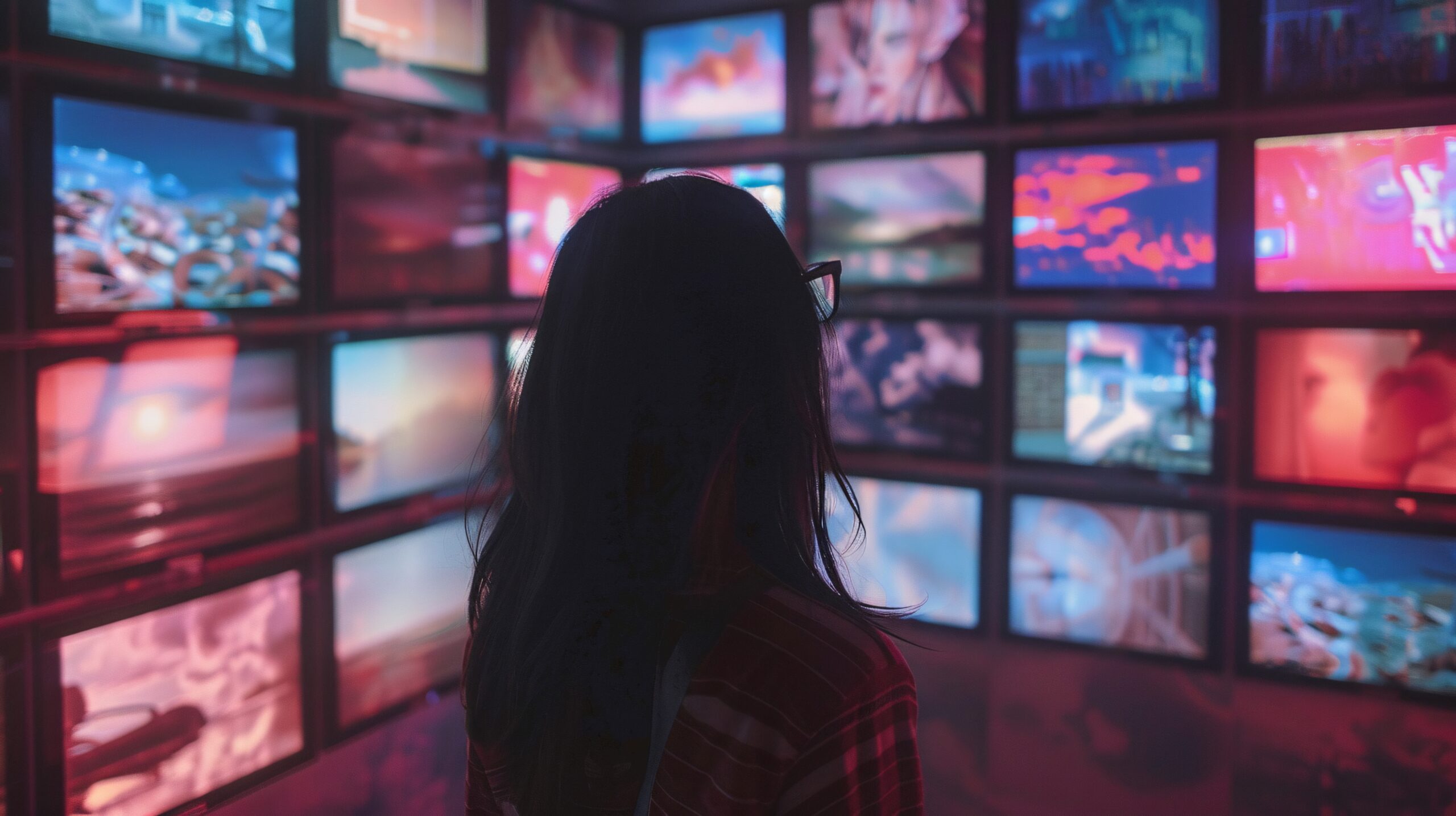
The landscape of cinema has undergone a seismic shift over the past few years. Gone are the days when moviegoers flocked to theaters for every blockbuster release. Today, we find ourselves in an era where Hollywood streaming reigns supreme, reshaping how content is created, consumed, and even conceived. The rise of digital entertainment platforms has not only made films accessible at our fingertips but also revolutionized industry norms and expectations.
As audiences increasingly turn to online streaming options like Netflix and Amazon Prime Video, traditional paradigms are being challenged. What does this mean for filmmakers? How do these changes impact established studios? This exploration into the evolving film industry reveals both opportunities and obstacles as we navigate through this exciting new age of cinema. Buckle up as we delve deeper into this transformation that continues to redefine our cinematic experience!
The rise of streaming services has reshaped how audiences consume content. Gone are the days when viewers relied solely on cable networks for their entertainment fix. Today, platforms like Netflix, Hulu, and Amazon Prime have become household names.
These services offer vast libraries that cater to diverse tastes and preferences. Viewers can binge-watch entire seasons at their own pace, creating a personalized viewing experience that’s hard to resist.
Accessibility plays a significant role in this shift. With just an internet connection and a device, anyone can dive into countless titles anytime, anywhere. This convenience has fundamentally changed our relationship with cinema.
Moreover, streaming platforms have introduced innovative ways to discover new content through algorithms tailored to individual viewing habits. As a result, niche films often find their audience more easily than they ever could in traditional settings.
Streaming has fundamentally transformed the film industry, reshaping how content is created and consumed. Gone are the days when audiences relied solely on theaters for their cinematic experiences. Now, an array of films is just a click away.
This digital shift allows filmmakers to reach wider audiences without the constraints of traditional distribution methods. Independent creators can showcase their work on platforms like Netflix or Hulu, gaining visibility that was once reserved for big studios.
Moreover, streaming services prioritize binge-worthy series and original films. This emphasis changes storytelling dynamics; complex narratives now unfold over several episodes instead of fitting into a two-hour runtime.
The rise of data analytics also plays a critical role in decision-making processes within the industry. Streaming platforms analyze viewer preferences to curate personalized recommendations and fund projects that resonate with specific audiences.
As new players enter this space, competition intensifies—signaling exciting times ahead for viewers and creators alike.
Streaming platforms offer filmmakers unprecedented access to global audiences. This democratization of distribution allows independent creators to showcase their work without needing traditional studio backing. The potential for niche storytelling has never been greater.
However, this digital landscape comes with its own set of challenges. Increased competition on OTT platforms makes it harder for individual films to stand out amidst the vast array of content available.
Moreover, revenue models are shifting rapidly. Filmmakers might find themselves navigating complex deals that often favor streaming giants over artists. This can lead to concerns about fair compensation and creative control.
The reliance on algorithms also presents a dilemma; while data-driven insights can help tailor content, they may stifle unique artistic visions in favor of trends that attract immediate viewers.
Balancing creativity with commercial viability is now more crucial than ever in the evolving movie industry landscape shaped by online streaming dynamics.
Traditional Hollywood studios have felt the ripple effects of the streaming revolution. Once dominant, these powerhouses now find themselves navigating a landscape transformed by digital entertainment.
As OTT platforms gain momentum, studios are rethinking their release strategies. The days of exclusive theatrical runs are fading. Many films now debut simultaneously on streaming services, reshaping audience expectations.
Budget allocations also face scrutiny. Studios must balance high-budget blockbusters with smaller productions that appeal to niche audiences online. This shift demands innovation and agility in content creation.
Moreover, competition has intensified drastically. With countless options available at home, maintaining viewer loyalty is more challenging than ever for traditional players.
Adapting to this new era requires embracing technology and understanding evolving consumer habits—an essential step for survival in today’s movie industry trends.
Original content has become the heartbeat of streaming platforms. It’s what sets them apart in a crowded market.
Take Netflix, for instance. Their investment in unique series and films transformed them from a DVD rental service to a titan of digital entertainment. Shows like “Stranger Things” and “The Crown” not only attract subscribers but also ignite cultural conversations.
Other OTT platforms have quickly followed suit, launching their own original programming to capture audiences’ attention. This trend shapes what viewers expect from their entertainment experience.
Moreover, exclusive releases create buzz that traditional studios often struggle to replicate. Audiences are drawn to the allure of fresh narratives and innovative storytelling that originals provide.
Engagement skyrockets when fans feel invested in these stories. As competition heats up during the ongoing streaming wars, it’s clear: original content is more than just an advantage; it’s essential for survival in this ever-evolving landscape of movie streaming trends.
The landscape of cinema is evolving rapidly. Streaming platforms are redefining how audiences consume content, often from the comfort of their homes.
However, theaters have a unique charm that cannot be replicated by screens. The communal experience of watching a film with an audience remains unparalleled. This magic draws many viewers back to cinemas, even as options for online streaming expand.
Yet, the ongoing battle between Hollywood and digital entertainment raises questions about sustainability. Many fear traditional theaters may struggle against the convenience offered by OTT platforms.
As movie streaming trends continue to shift consumer preferences, studios must adapt to stay relevant. Original content becomes essential in capturing viewers’ attention on both fronts—big screen and small screen alike.
This transformation could lead to a hybrid model where theaters thrive alongside robust streaming services, offering diverse viewing experiences tailored for different audiences.