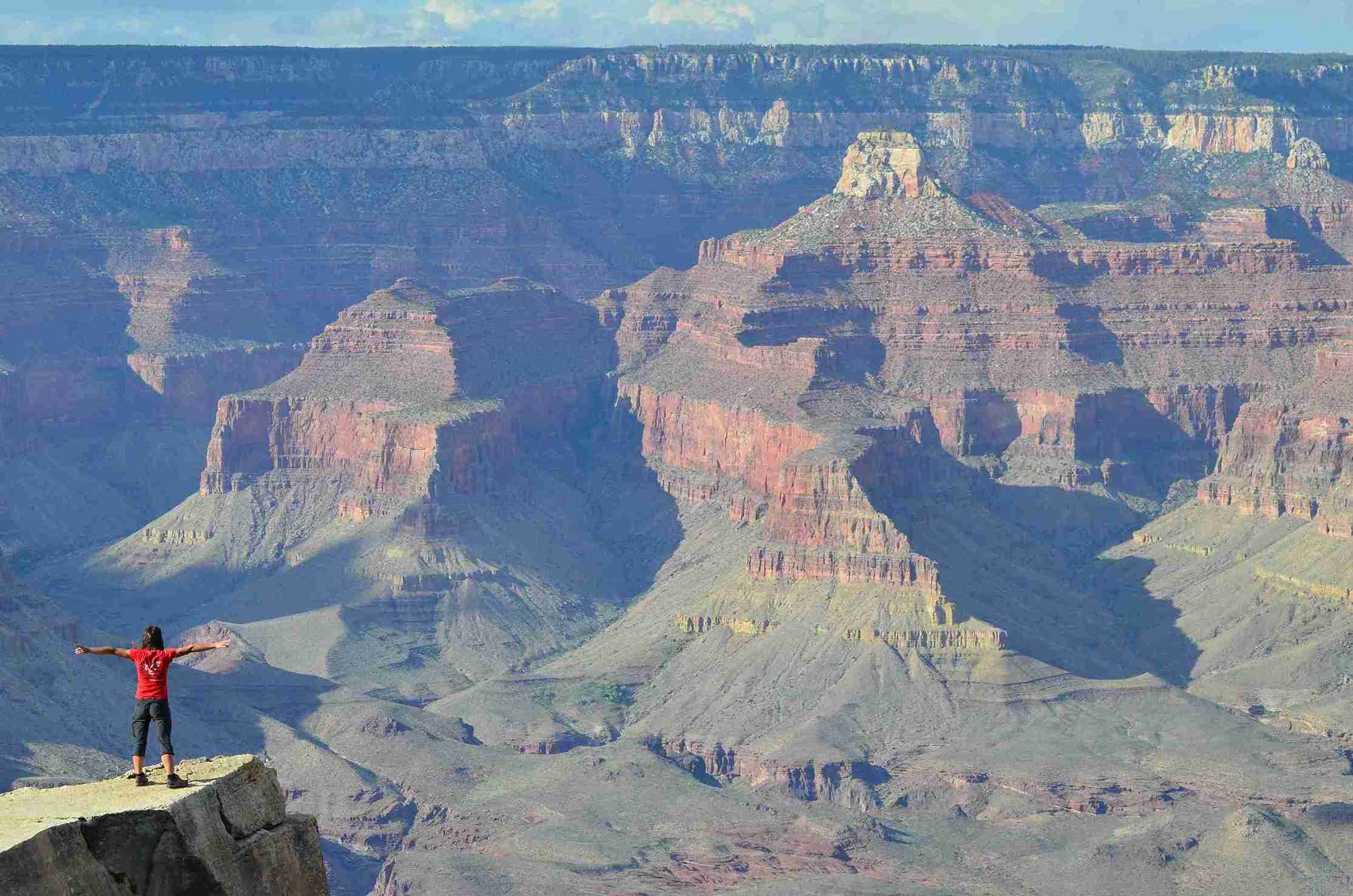
El Capitan, the towering granite monolith of Yosemite National Park, stands as one of the most recognisable and awe-inspiring landmarks in the world. Rising approximately 3,000 feet from base to summit, it draws climbers, hikers, photographers, and nature enthusiasts from across the globe. Beyond its sheer size, El Capitan represents a pinnacle of natural beauty, adventure, and human endurance.
This remarkable formation is more than just a geological wonder—it is a symbol of exploration and achievement. For climbers, it is a proving ground of skill, determination, and mental strength. For visitors, its majestic presence inspires awe and appreciation for the natural world.
El Capitan’s formation is the result of millions of years of geological activity. Primarily composed of granite, the monolith was shaped during the Cretaceous period, approximately 100 million years ago. Over time, tectonic forces uplifted the Sierra Nevada region, while glacial activity carved out the surrounding valleys.
The sheer vertical face that El Capitan is famous for today was primarily formed by erosion from glaciers during the last ice age. This combination of geological processes created one of the world’s most striking natural rock formations, attracting geologists, scientists, and tourists alike.
El Capitan has a storied history in the world of climbing. The first successful ascent was completed in 1958 by Warren Harding, Wayne Merry, and George Whitmore, marking a monumental achievement in rock climbing history. This ascent took 47 days using siege tactics, laying the foundation for future climbers to develop faster, more technical techniques.
Over the decades, El Capitan has become the ultimate challenge for elite climbers. Routes such as The Nose, Salathé Wall, and Freerider have become legendary, requiring both physical endurance and mental fortitude. Climbers often spend days on the wall, relying on advanced equipment, rope systems, and meticulous planning. The monolith has also inspired innovations in climbing techniques, from aid climbing to free climbing, making it a benchmark in the evolution of the sport.
While El Capitan is primarily known for its rock face, the surrounding area is rich in biodiversity. Yosemite National Park is home to diverse flora and fauna, including black bears, mule deer, and numerous bird species. The base of El Capitan features dense forests of pine, fir, and oak, providing a striking contrast to the bare granite cliffs above.
Seasonal changes dramatically alter the landscape. Spring brings vibrant wildflowers and flowing waterfalls, while winter can cover the monolith in snow, creating a dramatic visual spectacle. The combination of geology and ecology makes El Capitan a remarkable subject for photographers, naturalists, and adventurers.
El Capitan attracts hundreds of thousands of visitors annually. Tourists can view the monolith from various vantage points, including Tunnel View and El Capitan Meadow, which provide stunning photographic opportunities. While not all visitors climb, hiking trails around Yosemite Valley offer immersive experiences that showcase the grandeur of the rock formation.
For climbing enthusiasts, El Capitan offers both guided and independent routes. The ascent requires careful preparation, physical conditioning, and a respect for the inherent risks. Successful climbs are celebrated worldwide, highlighting the global fascination with this iconic monolith.
Beyond its physical presence, El Capitan has permeated popular culture. It has appeared in documentaries, films, and literature, symbolising challenge, perseverance, and natural beauty. Its imposing structure and striking visual appeal make it a metaphor for overcoming obstacles and reaching new heights, resonating with audiences far beyond Yosemite.
The formation also holds spiritual significance for indigenous peoples who have long inhabited the Sierra Nevada region. For many, it is a sacred place intertwined with cultural stories, traditions, and a deep respect for the natural world.
As one of the most visited natural landmarks in the United States, conservation of El Capitan is essential. Yosemite National Park authorities maintain strict guidelines to preserve the environment, including limiting climbing permits, regulating waste, and protecting surrounding wildlife. Visitors are encouraged to respect trails, minimise their ecological footprint, and contribute to ongoing preservation efforts.
Sustainable tourism ensures that future generations can experience El Capitan in its natural glory. Conservation efforts also highlight the importance of balancing adventure with environmental responsibility, a principle that climbers and tourists alike are increasingly embracing.