Reports from Spain indicate that legendary singer Julio Iglesias is "cabreado" (angry) and has stated he does not intend to set foot in Spain again, according to a report by El Mundo. This declaration comes amidst significant attention from international press freedom organisations, who have expressed concern over a criminal complaint filed by Iglesias against five journalists from Spanish news outlet elDiario.es.
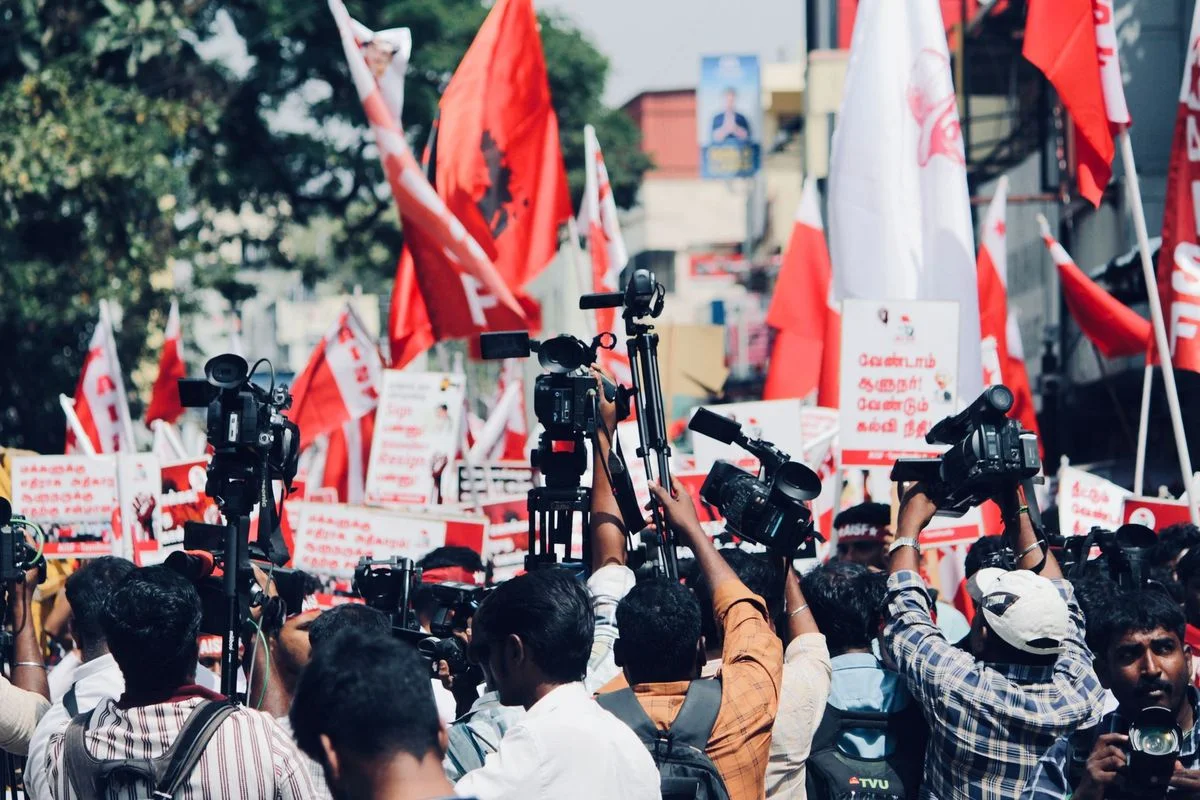
The situation highlights a growing tension between prominent public figures and media scrutiny, drawing the watchful eye of bodies dedicated to upholding journalistic standards and rights across the globe.
Background
The renowned artist’s reported anger and his decision concerning his return to Spain have emerged concurrently with a legal dispute involving elDiario.es. The Spanish press has widely covered a criminal complaint initiated by Julio Iglesias, targeting five individuals within the journalistic team of the digital newspaper. This legal action has subsequently drawn the attention and scrutiny of various bodies dedicated to safeguarding journalistic independence and freedom of expression globally.
International Press Institute’s Intervention
The International Press Institute (IPI), a global organisation advocating for press freedom, has publicly voiced its support for elDiario.es in light of the legal action. The IPI explicitly stated that Julio Iglesias’s complaint against the journalists bears an "intimidatory character", as reported by elDiario.es itself. This assessment by a prominent international body underscores broader concerns about the potential chilling effect that such lawsuits can have on media scrutiny and the ability of journalists to report freely without fear of undue pressure. The IPI’s defence highlights its commitment to protecting journalists from legal challenges perceived as attempts to silence critical reporting. More details on the International Press Institute’s statement can be found here.
Reporters Without Borders Offers Support
In a parallel development, Reporters Without Borders (RSF España), the Spanish branch of the respected international non-profit organisation that works to safeguard the right to freedom of information, has also extended its full support to the five journalists from elDiario.es. RSF España’s intervention specifically "ampara" (supports or protects) the journalists facing the criminal complaint instigated by Julio Iglesias. This collective backing from leading press freedom organisations signals a shared conviction regarding the importance of defending journalistic integrity against legal actions that might be interpreted as attempts to suppress reporting. The support from RSF España further solidifies the view that this case has significant implications for media freedom. Reporteros Sin Fronteras’ position is detailed on their website.
FAQ
Here are some key questions answered regarding the latest developments:
- Q: What is Julio Iglesias’s current stance on returning to Spain?
A: According to El Mundo, Julio Iglesias is "cabreado" (angry) and does not plan to return to Spain. - Q: Which media organisation has Julio Iglesias filed a complaint against?
A: Julio Iglesias has filed a criminal complaint against five journalists from elDiario.es. - Q: How have press freedom organisations reacted to the complaint?
A: The International Press Institute (IPI) described the complaint as having an "intimidatory character", and Reporters Without Borders (RSF España) has offered support to the journalists.
What this means for you
While this situation is unfolding in Spain, it touches upon universal principles of press freedom and the right of journalists to report without intimidation. For readers in Leeds, Yorkshire, and across the UK, it serves as a reminder of the vital role a free and independent press plays in democratic societies, ensuring that reporting can occur even when it involves public figures. The actions of international bodies like the IPI and RSF underscore the global importance of protecting journalists from legal pressures that could stifle honest and thorough reporting, a cornerstone of transparent public life.