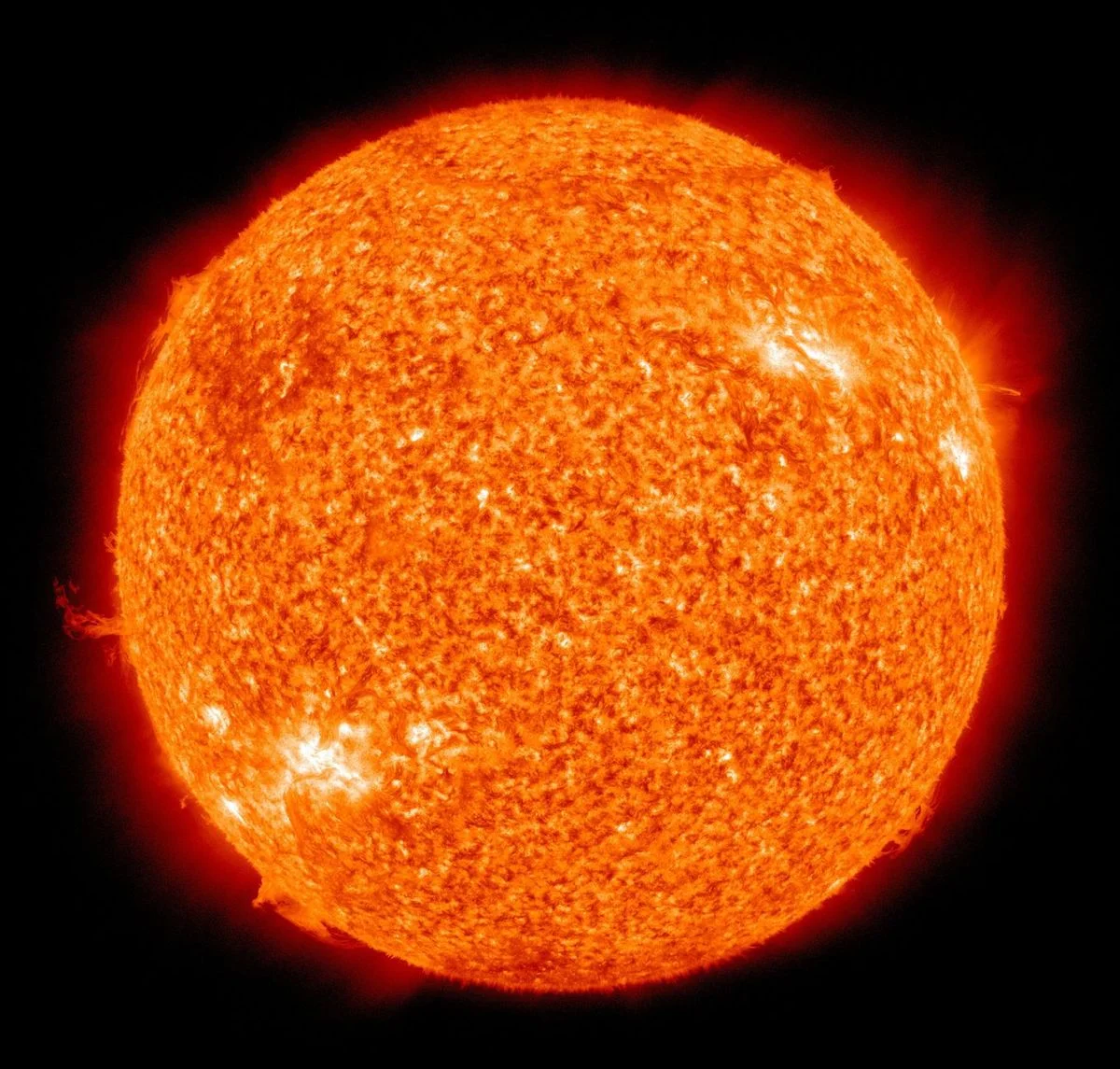
Recent scientific discussions suggest that the potential threat posed by solar storms may be significantly underestimated, with some researchers indicating that a “once-in-a-thousand-year” disaster event is a scenario worth serious consideration.
This comes as a new study by NASA suggests there could be no inherent limit to the effects of solar storms, prompting scientists to reassess previous understandings of these powerful phenomena originating from the sun. Simultaneously, separate research in Nature offers a perspective on the observed saturation of geomagnetic storms, proposing that regression to the mean can explain these patterns.
Background
Solar storms, also referred to as geomagnetic storms in some contexts, are powerful occurrences with the potential for widespread impact. While the specifics of their formation are not detailed in current research, their effects have long been a subject of scientific inquiry.
Historically, the study of solar activity has sought to understand the upper bounds of these events. However, the latest research indicates a shift in this understanding.
Rethinking Solar Storm Severity
Scientists are increasingly considering the possibility that the risk from solar storms could be far greater than previously assumed. According to Space, a major concern is the potential for a “once-in-a-thousand-year” disaster, which is now deemed a scenario that warrants careful consideration by the scientific community. This perspective highlights a growing recognition of the extreme end of solar activity and its potential consequences.
Further bolstering this re-evaluation is a new study from NASA. This research indicates that there may be no limit to the effects of solar storms, a finding that challenges conventional assumptions about their maximum intensity and reach. This particular study, published through NASA Science, provides a fresh outlook on the sheer scale of impact such events could theoretically have. Readers interested in broader astronomical discoveries might also find our report on the Faintest Exoplanet Ever Seen Discovered After Decade Search of interest.
Understanding Geomagnetic Storms
While the NASA study points to potentially limitless effects, another significant piece of research published in Nature discusses “regression to the mean” as an explanation for the observed saturation of geomagnetic storms. This perspective suggests that while extreme events are possible, the observed frequency and intensity of less severe storms might follow a statistical pattern, appearing to ‘saturate’ at certain levels due to regression to the mean.
The interplay between these different scientific viewpoints—one suggesting potentially unbounded effects and another offering a statistical explanation for observed patterns—underscores the complexity of understanding and predicting solar storm behaviour.
Frequently Asked Questions About Solar Storms
-
What is a solar storm?
Based on recent scientific discussions, solar storms are powerful phenomena originating from the sun, often referred to as geomagnetic storms, with the potential for widespread effects. While specific mechanisms are not detailed in the provided research, their impacts are a significant area of study.
-
How severe can solar storm effects be?
According to Space, scientists are considering the threat of a “once-in-a-thousand-year” disaster scenario. A new NASA study further suggests there may be no inherent limit to the effects of solar storms, indicating their potential for extreme severity.
-
Are scientists underestimating the threat of solar storms?
Yes, according to discussions highlighted by Space, scientists are considering whether they are underestimating the threat of solar storms, especially concerning “once-in-a-thousand-year” disaster scenarios. This sentiment is reinforced by new NASA research suggesting potentially no limit to their effects.
-
What do recent studies say about solar storm effects?
A new NASA study indicates that there may be no limit to the effects of solar storms. Separately, research in Nature suggests that “regression to the mean” can explain the saturation of geomagnetic storms, providing a statistical context for observed intensities.
What this means for you
For residents of Leeds, Yorkshire, and the wider UK, these scientific insights highlight an evolving understanding of a distant yet potentially impactful natural phenomenon. While the immediate threat remains within the realm of scientific modelling and future preparedness, the discussion underscores the importance of ongoing research into space weather.
The contemplation of a “once-in-a-thousand-year” disaster and the suggestion of potentially limitless effects by NASA do not necessarily imply an imminent danger but rather a call for robust scientific consideration and long-term infrastructure resilience planning. Just as communities prepare for severe weather events like those that might prompt a Severe Thunderstorm Watch, understanding potential space-based threats forms part of a broader resilience strategy.
This focus on long-term implications and scientific understanding is key. While current infrastructure is designed to withstand a range of challenges, ongoing research helps to refine our understanding of extreme events, whether terrestrial or celestial. For updates on other significant developments, such as Craig Gordon Announces Retirement at 43, or other major news, the Leeds Bulletin continues to provide coverage relevant to our readers.