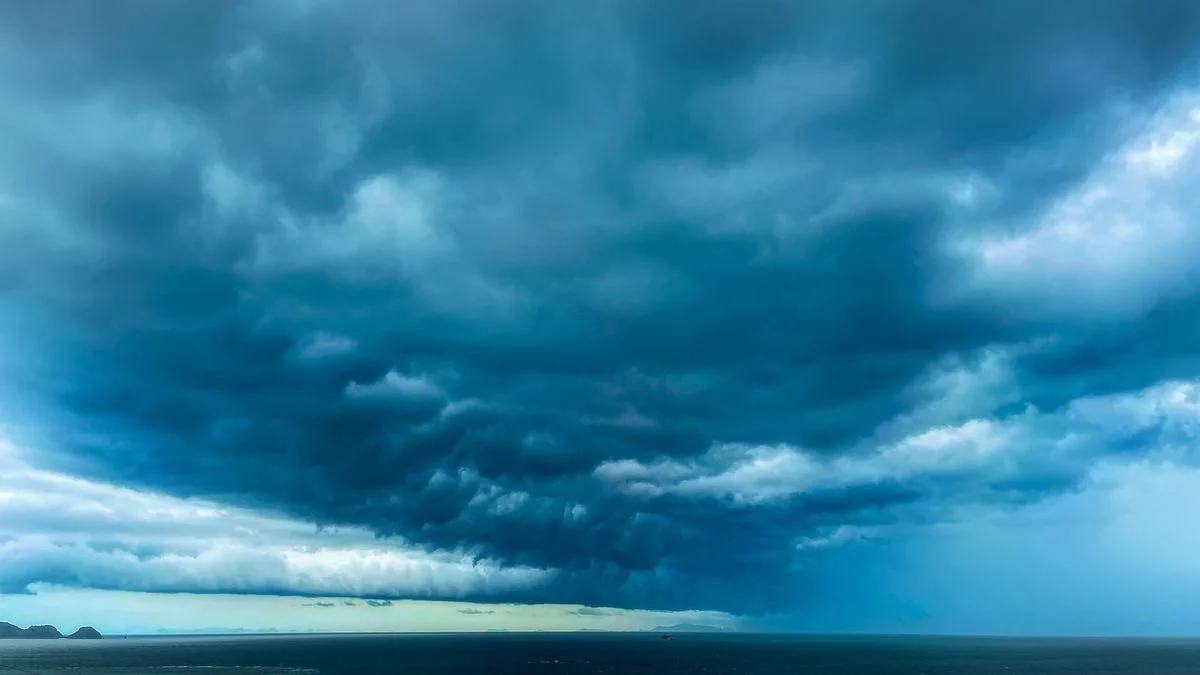
Heavy showers and intense thunderstorms have caused significant disruption across parts of Germany over the past weekend. Reports from various German media outlets detail the extent of the severe weather, which included heavy rain, hail, and strong winds, leading to noticeable impacts on local infrastructure and residential areas.
According to ZDFheute, the weekend saw “Schauer und teils heftige Gewitter” (showers and partly heavy thunderstorms). This atmospheric activity brought with it conditions that necessitated caution across several regions, underscoring the potential for widespread weather-related challenges.
Background to the Conditions
The meteorological outlook for the affected regions had indicated a notable shift towards turbulent weather. Local forecasts highlighted a prevailing “Gewitterstimmung im Freistaat” (thunderstorm atmosphere in the Free State), as detailed by Radio Plassenburg. This pre-existing atmospheric tension suggested the high likelihood of significant precipitation and accompanying phenomena. The potential for “Starkregen und Hagel möglich” (heavy rain and hail possible) was specifically highlighted, which served as a precursor to the events that unfolded.
Such conditions are often associated with rapidly developing storm cells, capable of depositing substantial amounts of rain in short periods, combined with the risk of hailstones. These forecasts are critical in preparing communities for the potential severity of the weather systems.
Impact and Consequences in Bavaria
The region of Bavaria bore the brunt of the severe weather, experiencing a particularly intense period of storms. Merkur reported that “Unwetter wüten in Bayern” (storms rage in Bavaria), detailing a series of destructive outcomes across various districts. The immediate consequences for residents and infrastructure were significant.
One of the most striking incidents reported was a lightning strike on a residential building. The specific detail of “Blitz schlägt in Wohnhaus ein” (lightning strikes residential building) underlines the direct threat posed by these severe electrical storms. Such strikes can lead to significant structural damage, fire hazards, and pose immediate danger to occupants.
Beyond direct lightning impacts, the sheer volume of rainfall contributed to widespread issues. Streets in affected areas became “Straßen überflutet” (flooded), disrupting traffic and making travel hazardous. Flooded roadways can isolate communities, damage vehicles, and present risks to pedestrians. Furthermore, the intensity of the winds accompanying the storms resulted in “Bäume stürzen um” (trees falling over). This not only created blockages on roads but also carried the risk of damage to power lines, vehicles, and properties, adding to the extensive clean-up efforts required in the aftermath.
Frequently Asked Questions
-
Q: What types of severe weather were reported in Germany?
A: Reports from sources like ZDFheute indicated heavy showers and partly heavy thunderstorms. Radio Plassenburg also highlighted the possibility of heavy rain and hail.
-
Q: Which specific German regions were most affected?
A: The region of Bavaria (Bayern) was particularly impacted by the storms, with a general “Gewitterstimmung im Freistaat” (thunderstorm atmosphere in the Free State) being observed.
-
Q: What were some of the immediate consequences of these storms?
A: According to Merkur, specific impacts included a lightning strike on a residential building, flooded streets, and trees falling over. Heavy rain and hail were also expected as part of the severe weather.
What This Means for You
While the recent severe weather events detailed occurred in parts of Germany, they offer a pertinent illustration of the significant challenges and disruptions that extreme meteorological conditions can bring. For our readers in Leeds and the wider Yorkshire region, as well as a general UK news audience, understanding the broader implications of such events remains important, even when the immediate geographical impact is elsewhere.
The experiences in Bavaria, where communities faced consequences such as lightning strikes on homes, widespread street flooding, and extensive damage from fallen trees, highlight the critical need for vigilance and preparedness regarding severe weather. Although the specific weather patterns and local conditions in the UK differ, the potential for similar types of severe weather—including heavy rainfall, strong winds, and thunderstorms—is always a factor in temperate climates.
These reports serve as a valuable reminder of the importance of staying informed through reliable national and local weather forecasts, such as those provided by the Met Office in the UK. Being aware of weather warnings, understanding the risks associated with events like flash flooding or high winds, and knowing how to respond safely can help mitigate potential impacts. This includes planning for possible travel disruptions, securing outdoor items, and taking precautions to protect property, ensuring that communities are as resilient as possible against the unpredictable forces of nature, wherever they may strike.