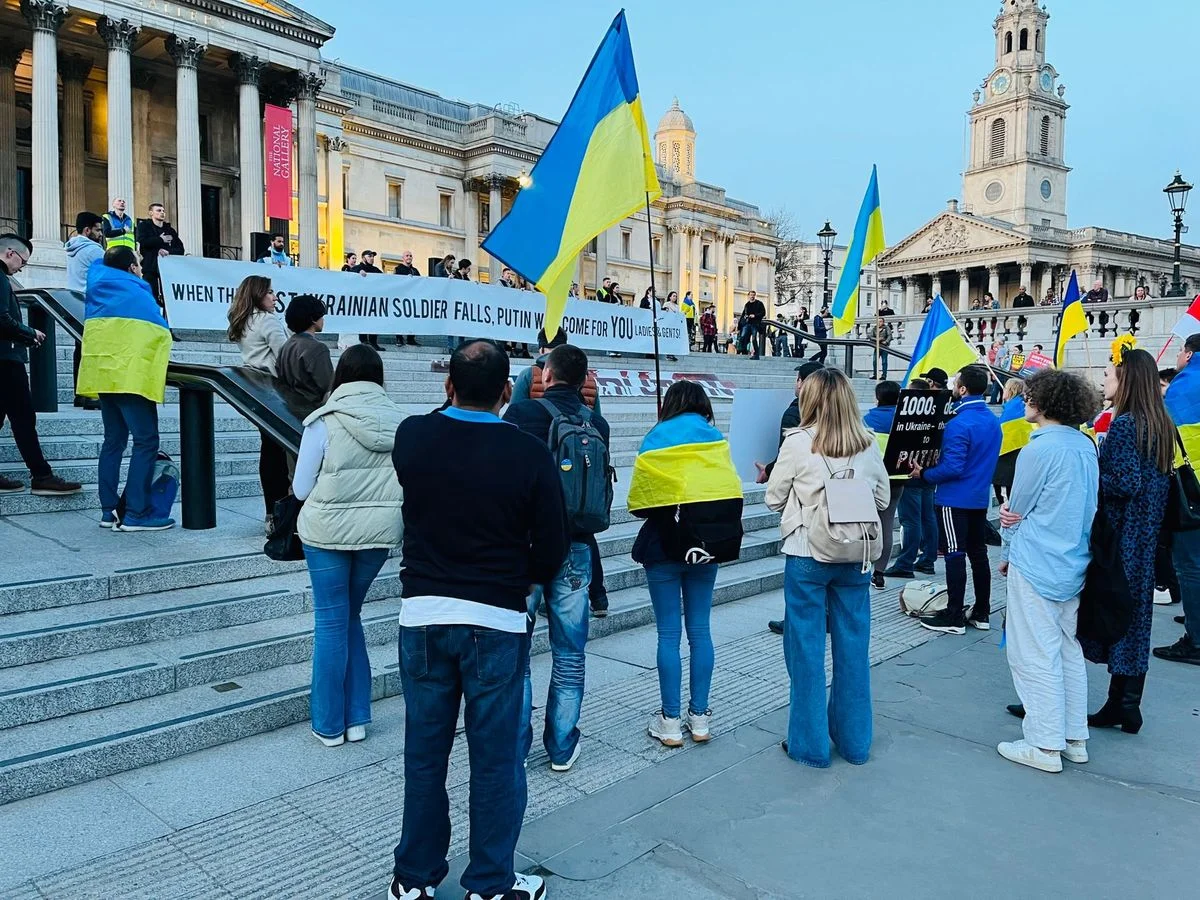
The United Kingdom has reaffirmed its commitment to Ukraine, with Labour leader Keir Starmer undertaking a visit to the country and the government pledging continued backing. This support includes participation in a significant European Union defence loan scheme, underscoring a joint international effort to aid Ukraine.
According to the BBC, Mr Starmer made what was described as his “final trip to Ukraine” as Prime Minister pledges the UK’s “cast-iron” support. This comes as the UK also announced its involvement in a substantial €60 billion EU defence loan scheme aimed at supporting Ukraine.
Background
The UK has maintained a consistent stance of support for Ukraine since the start of the conflict. This assistance has taken various forms, including military aid and financial contributions. The ongoing situation in Ukraine continues to be a central focus for international diplomacy and security efforts, with reports often highlighting developments such as a Russian Su-35 Jet Downed in Ukraine Conflict, illustrating the persistent challenges faced.
The broader context also involves scrutiny of Ukrainian leadership, as highlighted by stories such as Zelensky Under Pressure in Poland Unit Name Row, indicating the complex political landscape.
Starmer’s Visit and UK Government Pledges
Keir Starmer’s visit to Ukraine, noted as his “final trip to Ukraine” by the BBC, signals continued cross-party consensus on the importance of backing the nation. While details of the trip were not specified, it occurred amidst a backdrop of the Prime Minister pledging the UK’s “cast-iron” support.
This commitment from the UK government reinforces a message of enduring solidarity and practical assistance for Ukraine’s defence and recovery efforts, aligning with the country’s strategic foreign policy objectives.
UK Participation in EU Defence Loan Scheme
Further demonstrating its commitment, the UK is set to sign up to a €60 billion EU defence loan scheme for Ukraine, as reported by the Financial Times. This significant financial undertaking represents a collaborative effort between the UK and the European Union to provide essential funding for Ukraine’s defence capabilities.
Details of this participation were outlined in a “Joint Statement of the United Kingdom and the European Union on United Kingdom participation under the Ukraine Support Loan,” dated 13 July 2026, as published on GOV.UK. This initiative highlights a shared international resolve to bolster Ukraine’s resilience.
FAQ
- What is the UK’s current stance on Ukraine?
The UK maintains a stance of “cast-iron” support for Ukraine, as pledged by the Prime Minister. This includes high-level visits and participation in international financial aid schemes.
- What is the €60 billion EU defence loan scheme?
It is a significant financial initiative led by the EU, which the UK is set to join, aimed at providing €60 billion in funding to support Ukraine’s defence capabilities and broader resilience.
- When was the joint statement regarding the UK’s participation in the loan made?
A “Joint Statement of the United Kingdom and the European Union on United Kingdom participation under the Ukraine Support Loan” was issued on 13 July 2026.
- Who recently visited Ukraine from the UK?
Labour leader Keir Starmer recently made what was described as his “final trip to Ukraine” as part of the UK’s ongoing engagement with the country.
What this means for you
For readers in Leeds, Yorkshire, and across the UK, these developments signify the nation’s continued commitment to international stability and support for democratic principles. The UK’s involvement in a large-scale EU defence loan underscores a collaborative approach to foreign policy, which may have long-term implications for global security and economic relations.
This steadfast backing of Ukraine by the UK government, alongside cross-party parliamentary engagement, indicates a unified front on a key international issue. While direct impacts on daily life in Yorkshire may not be immediately apparent, the wider stability fostered by such international cooperation contributes to a more predictable global environment, influencing everything from trade to travel for UK citizens.